Barcelona-rooted coaching

Help players see the game sooner.

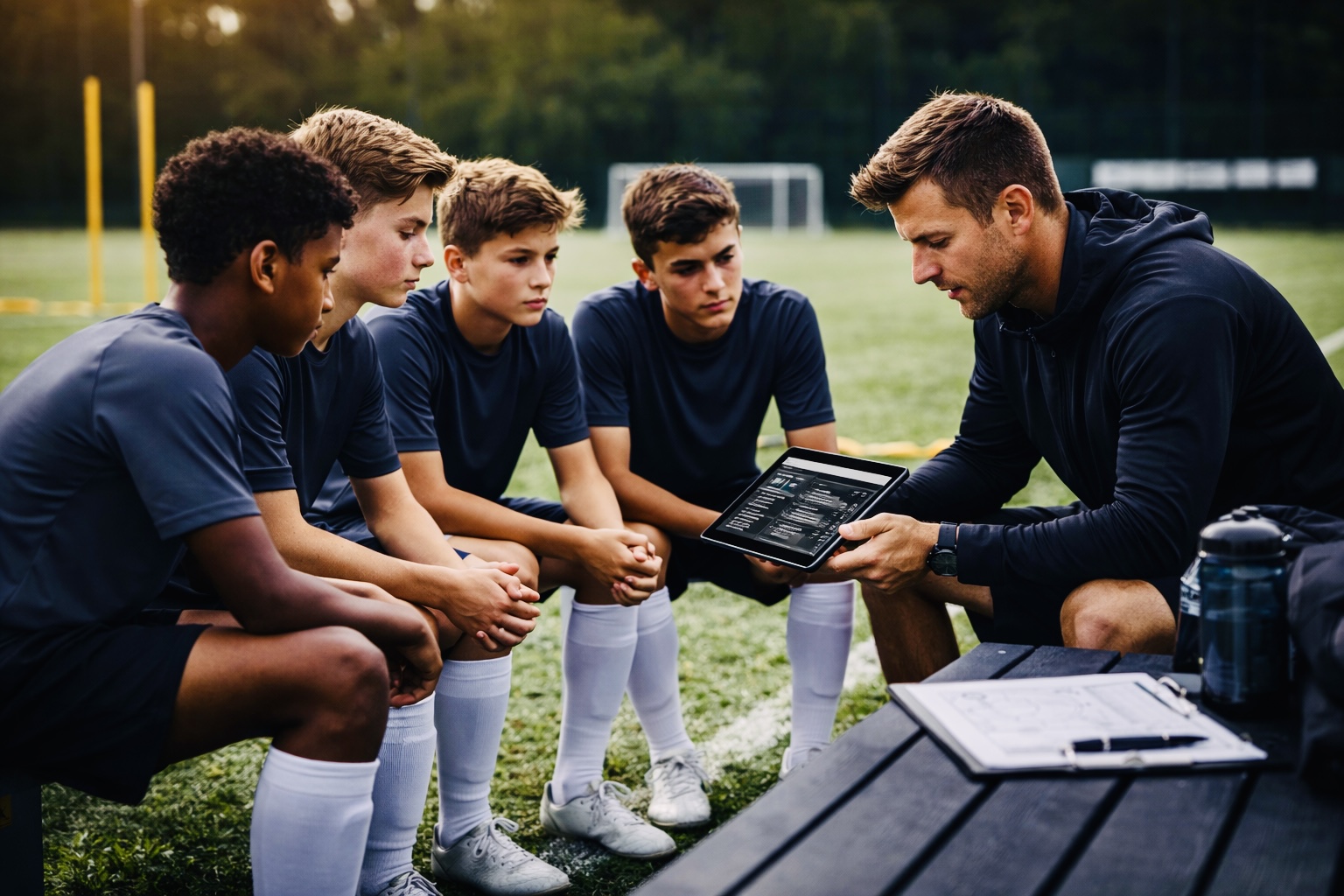
PlayerFlow is shaped by coaches from Barcelona and Spanish football culture. That does not mean copying a club or claiming an official affiliation. It means coaching technical actions as part of a larger game picture: information, space, timing, relationships, and decisions.

PlayerFlow soccer development session

PlayerFlow Chicago

Individual player development for ambitious youth soccer players.

A practical philosophy

Perception before action.

Technique matters. But the PlayerFlow question is not only, “Can the player perform the technique?” It is also: Did they recognize the right moment? Understand the space? Choose the right action? Execute under pressure?

Not choreography.
Players are not asked to memorize one correct answer. They learn to create solutions when the game changes.

Not isolated technique.
A first touch, pass, or turn is useful when it helps the player solve the real situation.

Not prestige language.
Barcelona explains a part of the coaching lens; PlayerFlow remains its own individual-development program.

Principles in practice

What players learn to notice.

Scanning

What it means

Gathering information before receiving.

What the player sees

Pressure, teammates, open space, goal direction, and the next option.

What we train

Checking surroundings before and between actions.

Why it matters

Better decisions can happen sooner.

Body orientation

What it means

Receiving in a position that allows more of the field to be seen.

What the player sees

Whether the player can play forward, protect the ball, or connect the next action.

What we train

Receiving profiles, first-touch direction, and the timing of preparation.

Why it matters

A clean touch has more value when it opens the right next action.

Spacing and support

What it means

Creating useful distances and passing angles around the ball.

What the player sees

Where teammates, opponents, and usable space are changing.

What we train

Movement away from the ball, support angles, and relationships between players.

Why it matters

The player on the ball needs solutions, not spectators.

Timing and combination play

What it means

Recognizing when to move, release, support, or become the next player.

What the player sees

The moment a defender commits, an angle opens, or a teammate needs help.

What we train

Third-player ideas, combinations, and decisions under realistic pressure.

Why it matters

Good ideas still need the right moment.

From training to games

One or two actions ahead.

Small-pod coaching creates repeated opportunities to scan, receive under pressure, support the player on the ball, and adapt to transitions. The purpose is not simply more touches. It is more meaningful information around each action.